leather brands in Jaipur | September 30, 2026 | 11 min read | Ya Qalbi Editorial Team
Walk into a Jaipur leather studio, and you'll find artisans hand-cutting, hand-stitching, and hand-tooling full-grain and hair-on leather using techniques their families have refined over generations. Unlike mass-manufactured leather goods churned out on automated assembly lines, genuine leather brands in Jaipur operate from small specialized workshops where a single bag passes through five or six craft specialists before it's ready. This guide explores Jaipur's royal leather heritage, teaches you how to distinguish authentic handmade leather from factory imitations, and highlights how studios like Ya Qalbi keep this traditional craft alive, creating durable leather bags designed for personal style rather than mass appeal.
Jaipur's leather legacy didn't emerge from marketing trends. It grew from royal patronage, desert trade routes, and an artisan economy that transformed camel hide and buffalo leather into saddles, footwear, and ornamental goods centuries ago. Today, that same heritage of hand-tooling and natural tanning supports a new generation of Jaipur-based leather studios crafting premium bags, totes, and travel accessories for a global audience.
A bag stitched by hand does not just hold your belongings; it holds the fingerprints of the person who made it, and that is a kind of luxury no factory line can replicate.
Jaipur's Leather Craft Heritage
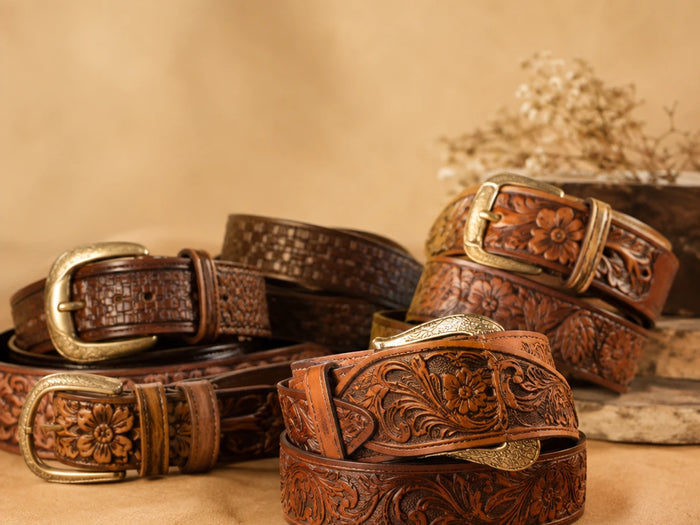
Jaipur's leather craft heritage represents a centuries-old tradition rooted in the Mughal era and expanded dramatically under royal patronage in the 18th century. Leading leather brands in Jaipur draw upon this lineage, where skilled artisans hand-cut, hand-stitch, and hand-tool full-grain and camel hides using methods preserved across generations.
From Royal Patronage to Artisan Bazaars
The city's prominence in leatherworking traces back to Maharaja Sawai Jai Singh II, who established Jaipur as a tax haven for master artisans in 1734. This strategic move invited top craftspeople from across India, seeding a self-sustaining craft economy that has thrived for three centuries.
Camel Leather and the Desert Trade
Rajasthan's desert environment made camel hide essential: it's lightweight yet virtually unbreakable. Artisans crafted camel-leather saddles, bags, and water containers that became perfect bases for intricate hand-tooling and decorative surface work.
- Guru-shishya lineage: Leatherworking skills pass from master to apprentice within traditional artisan families, preserving hand-tooling techniques absent from industrial manufacturing manuals.
- UNESCO recognition: Jaipur joined the UNESCO Creative Cities Network in 2015 as a designated City of Crafts and Folk Art due to its unbroken lineage of handcraft traditions.
- Employment scale: Handicraft production serves as Rajasthan's second-largest employment sector after agriculture, sustaining thousands of independent artisan workshops.
- Historic marketplaces: Centers like Johari Bazaar, Bapu Bazaar, and Hawa Mahal Market remain vital focal points for genuine regional leatherwork.
Key Takeaway: Jaipur's leather craft heritage is a documented, centuries-old lineage rooted in royal patronage, desert trade routes, and a UNESCO-recognized culture of intergenerational skill transfer that defines modern leather brands in Jaipur.
What Makes Handmade Leather from Jaipur Different
Handmade leather from Jaipur is defined by its labor-intensive, multi-artisan production process that relies on individual craft specialists rather than automated machinery. Authentic leather brands in Jaipur separate every stage of production, from material selection and skiving to hand-stitching and tool carving, creating small-batch leather goods with distinct textures, natural grain variations, and structural resilience that factory production simply cannot match.
Hand Process vs. Factory Process
| Element | Handmade Jaipur Process | Factory-Made Process |
|---|---|---|
| Cutting | Hand-cut leather panels matched for grain and texture | Die-cut in bulk, minimal grain matching |
| Stitching | Hand or saddle-stitched by individual artisans | Machine-stitched at high speed |
| Surface detail | Hand-tooled patterns, natural markings retained | Uniform, often laser-etched patterns |
| Hardware | Fitted and finished by hand, often antique brass | Machine-riveted, standardized alloy |
| Turnaround | Days to weeks per piece | Minutes per piece on an assembly line |
- Natural texture retention: Full-grain and hair-on hides retain authentic scars, wrinkles, and surface variations rather than being sanded into synthetic uniformity.
- Small-batch quality control: Artisan workshops produce limited weekly quantities, ensuring rigorous inspection at every build stage.
- Antique hardware finishing: Solid brass buckles and rivets are hand-polished to complement the natural patina developed by aging leather.
- Design fusion: Jaipur design studios combine Western ranch silhouettes with classic Indian tooling motifs for a rugged, heritage aesthetic.
Key Takeaway: The defining difference between authentic leather brands in Jaipur and factory alternatives is process: every hand-cut edge and hand-carved pattern reflects deliberate, artisan craftsmanship. Understanding these material distinctions becomes crucial when evaluating leather quality across different sources.
Full-Grain, Hair-On and Suede: Leathers Used by Jaipur Artisans
Jaipur artisans prioritize durable, high-grade materials including full-grain hide, hair-on leather, and soft suede to craft leather goods that age naturally over time. Renowned leather brands in Jaipur avoid synthetic substitutes and heavily processed genuine leather, selecting specific hide cuts based on structural requirements, visual character, and patina potential.
Material Breakdown
| Leather Type | Characteristics | Best Suited For |
|---|---|---|
| Full-grain leather | Uppermost hide layer, retains natural grain, ages into a rich patina | Duffles, totes, structured bags |
| Hair-on leather | Natural hair retained on the surface for bold, textured visual impact | Statement bags, vanity cases, accent panels |
| Suede | Napped underside finish, softer hand-feel | Linings, soft accessories, seasonal pieces |
| Camel leather | Lightweight, historically significant to Rajasthan | Traditional mojari-style accessories |
- Full-grain selection: Sourced from the dense upper layer of the hide, full-grain leather provides maximum tensile strength and long-term durability.
- Hair-on individuality: Retaining the natural fur pattern ensures that no two hair-on leather bags are visually identical.
- Accent suede: Used primarily for soft interiors and accent panels due to its velvety nap and flexible hand-feel.
- Vegetable tanning methods: Eco-friendly tanning utilizing natural plant tannins creates deep organic shades and superior patina capabilities.
A hair-on leather panel is never identical twice; the hide itself dictates the final pattern, which is exactly the point.
Key Takeaway: Genuine handmade leather bags from Jaipur rely on full-grain, hair-on, and suede materials chosen for durability and individual character, rejecting synthetic treatments and bonded leather substitutes. This material philosophy directly influences how you authenticate a piece when shopping.
How to Spot Genuine Handmade Leather and Avoid Fakes
Identifying authentic handmade leather from Jaipur requires evaluating physical construction markers such as stitch consistency, edge burnishing, hardware weight, and natural scent rather than relying on price tags alone. While counterfeit products copy surface appearances with synthetic polyurethane (PU) or plastic, genuine leather brands in Jaipur display natural grain variations and hand-finished details that reveal themselves under close inspection.
Physical Inspection Checklist
- Smell test: Authentic full-grain leather yields a rich, organic scent, whereas synthetic PU or vinyl emits a sharp chemical smell.
- Edge finishing: Artisan edges are burnished or hand-painted, while synthetic alternatives reveal raw, soft plastic layers underneath.
- Stitch analysis: Hand-stitched seams show slight, natural variations in angle, compared to the rigid, mechanical uniformity of machine stitching.
- Hide surface markings: Authentic hides feature natural pores, healed scratches, and neck wrinkles rather than repeated machine-printed grain patterns.
- Hardware weight: High-grade bags use heavy solid brass hardware that ages into a natural patina rather than light, shiny alloy metals that chip.
Where Fakes Commonly Slip Through
- Tourist marketplaces: Unregulated market stalls in high-traffic tourist areas frequently label mass-produced synthetic items as authentic leather.
- Unverified online platforms: Generic online storefronts often present stock photography while delivering low-quality bonded leather goods.
- Direct studio verification: Purchasing directly from established studios with documented workshop operations guarantees material authenticity.
Key Takeaway: Authentic leather brands in Jaipur offer complete transparency regarding material sourcing, tanning methods, and stitching processes; vague labeling and extremely low pricing indicate imitation products. This transparency becomes especially valuable when considering premium studio pieces.
Ya Qalbi: A Handmade Leather Brand Born in Jaipur
Ya Qalbi is a Jaipur-based handcrafted leather studio that creates premium leather bags, backpacks, duffles, and vanity cases using traditional artisan techniques. By blending Western ranch aesthetics with Rajasthani hand-tooling heritage, Ya Qalbi exemplifies what modern leather brands in Jaipur can achieve: full-grain materials, local artisan employment, and timeless durability without compromise.
Brand Philosophy
Ya Qalbi focuses on the enduring value of skilled handcraft, structural integrity, and functional luxury. Rather than chasing fast-fashion trends, the studio creates statement pieces that emphasize authentic materials, careful proportion, and understated design over heavy outward logos.
What Sets the Studio Apart
- Artisan network integration: Production remains rooted in Jaipur, where local craft specialists handle every stage from initial cutting to final rivet setting.
- Material integrity: Ya Qalbi uses full-grain hides and natural hair-on panels, strictly avoiding bonded leather or synthetic PU alternatives.
- Custom hardware choices: Solid antique brass buckles and fittings are selected to complement the aging characteristics of premium leather.
- Focus on utility: Designs combine traditional visual hand-tooling with practical interior layouts tailored for modern business and travel needs.
Key Takeaway: Among leather brands in Jaipur, Ya Qalbi stands out for its traceable artisan production, premium full-grain materials, and functional designs built to handle modern travel requirements.
Signature Ya Qalbi Pieces: Duffles, Backpacks and Tooled Vanity Cases
Signature leather pieces from Ya Qalbi focus on functional travel and daily utility while showcasing traditional Jaipur hand-tooling and material construction. Distinctive among leather brands in Jaipur, the studio specializes in full-grain leather duffles, commute-ready backpacks, and hand-carved vanity cases built for style-conscious travelers.
Core Product Categories
| Category | Primary Material | Best For |
|---|---|---|
| Duffles | Full-grain leather with hair-on panels | Weekend travel, gym-to-office transitions |
| Backpacks | Full-grain leather, antique brass hardware | Daily commute, laptop and essentials |
| Tooled vanity cases | Hand-tooled full-grain leather | Travel organization, grooming kits |
- Duffles: Designed for volume and travel durability, pairing full-grain main bodies with textured hair-on side accents and reinforced carry handles.
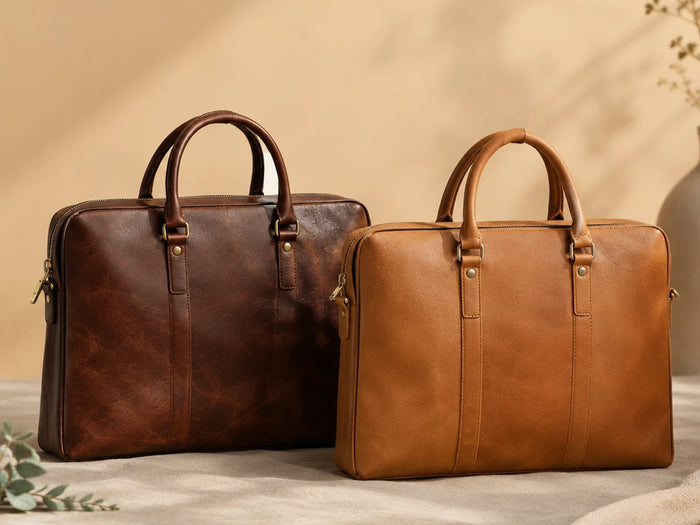
- Backpacks: Engineered for urban commuting, featuring padded straps, dedicated laptop compartments, and heavy-duty brass hardware.
- Tooled vanity cases: Incorporate traditional Rajasthani surface motifs on structured leather cases built for grooming and travel organization.
A duffle that ages well is not a compromise on style; it is the entire point of choosing hand-tooled leather over anything synthetic.
Key Takeaway: Ya Qalbi translates historic Jaipur hand-tooling techniques into travel-ready leather goods, offering duffles, backpacks, and vanity cases designed for long-term utility. Protecting these investments means understanding proper care routines.
How to Care for Handmade Leather Bags
Proper care for handmade leather bags involves gentle cleaning, regular conditioning, and controlled storage to preserve full-grain surfaces and hair-on textures. Maintaining products from top leather brands in Jaipur requires avoiding harsh household chemicals, excess moisture, and direct heat to protect the hide's natural fibers and developed patina.
Routine Care Steps
- Dust wiping: Clean surface dust weekly using a dry, soft microfiber cloth to prevent dirt from penetrating the leather grain.
- Conditioning routines: Apply a specialized, natural leather conditioner every three to six months to preserve softness and structural flexibility.
- Moisture management: Keep hair-on and full-grain leather dry; if exposed to water, absorb moisture immediately with a dry towel and let dry naturally.
- Breathable storage: Store leather goods inside cotton dust bags in cool, dry areas away from direct sunlight to prevent drying and color fading.
- Hardware care: Maintain antique brass fittings by wiping them with a soft, dry cloth rather than abrasive metal polishing creams.
What to Avoid
- Chemical cleansers: Avoid household cleaning sprays, alcohol-based wipes, and harsh solvents that strip natural oils and discolor full-grain leather.
- Direct heat exposure: Keep leather away from heat sources like hair dryers or radiators, which cause hides to dry out, stiffen, and crack.
- Excessive weight loading: Overstuffing bags beyond their structural design puts severe strain on hand-stitched seams and distorts the natural shape.
Key Takeaway: Caring for handmade leather bags requires gentleness; regular soft-cloth wiping, periodic conditioning, and proper storage preserve full-grain hides for decades. Now that you understand how to maintain these pieces, knowing where to source them authentically becomes essential.
Where to Buy Authentic Handmade Leather from Jaipur
Sourcing authentic handmade leather from Jaipur involves choosing between historic artisan bazaars for direct in-person inspection and verified digital studios offering traceable craft processes. Evaluating leather brands in Jaipur requires inspecting material transparency, hardware quality, and workshop credentials regardless of the purchasing channel.
In-Person vs. Online Buying
| Channel | Advantage | Consideration |
|---|---|---|
| Local bazaars (e.g., Johari Bazaar, Bapu Bazaar, Hawa Mahal Market) | Direct inspection, bargaining possible | Authenticity varies stall to stall |
| Curated artisan studios | Documented sourcing and craftsmanship | Requires research into brand transparency |
| Verified online stores | Global shipping, curated collections | No in-person material check before purchase |
- Verify material definitions: Choose brands that explicitly state full-grain, hair-on, or vegetable-tanned leather rather than general "genuine leather."
- Review workshop credentials: Authentic studios openly detail their artisan production processes, stitching methods, and hardware origins.
- Examine construction close-ups: Inspect high-resolution photography for clean saddle stitching, burnished edges, and solid brass hardware.
- Select focused collections: Dedicated product offerings, such as those found at Ya Qalbi, indicate focused quality control compared to unverified mass catalogs.
Key Takeaway: Whether purchasing in historic Jaipur bazaars or through online studios, buying authentic leather relies on brand transparency regarding materials, artisan sourcing, and craftsmanship.
Conclusion
Jaipur's leather craft heritage, rooted in Mughal history and royal patronage, continues to inspire modern artisan leatherworking. Choosing authentic leather brands in Jaipur ensures supporting ethical artisan craft, honest material sourcing, and products built to endure.
- Heritage value: UNESCO-recognized artisan techniques give Jaipur leather goods historical depth and structural distinction.
- Material quality: Full-grain hide, hair-on leather, and natural suede offer unmatched durability, individual character, and patina development.
- Authentication markers: Organic leather scents, burnished edges, heavy brass hardware, and hand-stitching confirm true handmade quality.
- Modern legacy: Studios like Ya Qalbi bridge traditional Rajasthani tooling with functional contemporary travel designs.
- Long-term care: Simple maintenance routines ensure handcrafted leather bags age gracefully over decades of active use.
To experience this living craft legacy, explore the handcrafted collection of duffles, backpacks, and travel accessories available at Ya Qalbi.
Frequently Asked Questions
What are handmade leather brands from Jaipur and what makes their craft distinctive?
Handmade leather brands from Jaipur are artisan-led design studios and heritage workshops that produce handcrafted bags, totes, and travel accessories using traditional hand-cutting, hand-stitching, and hand-tooling techniques. Originating in the Mughal era and formalized under 18th-century royal patronage, this craft is distinguished by its use of full-grain and hair-on leather, solid antique brass hardware, and multi-specialist hand assembly. Unlike mass-manufactured factory alternatives, authentic leather brands in Jaipur produce small-batch leather goods characterized by unique surface textures, exceptional durability, and natural patina development over time.
What is the difference between full-grain and hair-on leather?
Full-grain leather is the highest-grade hide layer, retaining its complete natural grain for maximum durability and patina growth. Hair-on leather retains the natural animal fur on the hide surface, creating a visually striking, textured finish where every panel features a unique pattern.
How can I tell if a leather bag from Jaipur is genuinely handmade?
Authentic handmade leather displays slight stitching variations, clean burnished or painted edges, heavy brass hardware, and an organic leather scent. Furthermore, genuine hides showcase natural surface markings like pores and wrinkles rather than uniform, machine-stamped patterns.
Why is Jaipur historically significant for leather craftsmanship in India?
Jaipur became a major leather center in the 18th century when Maharaja Sawai Jai Singh II invited master craftspeople to the city through tax incentives. This royal encouragement, combined with desert trade routes requiring durable camel leather goods, created an artisan infrastructure recognized today by UNESCO.
What products does Ya Qalbi specialize in?
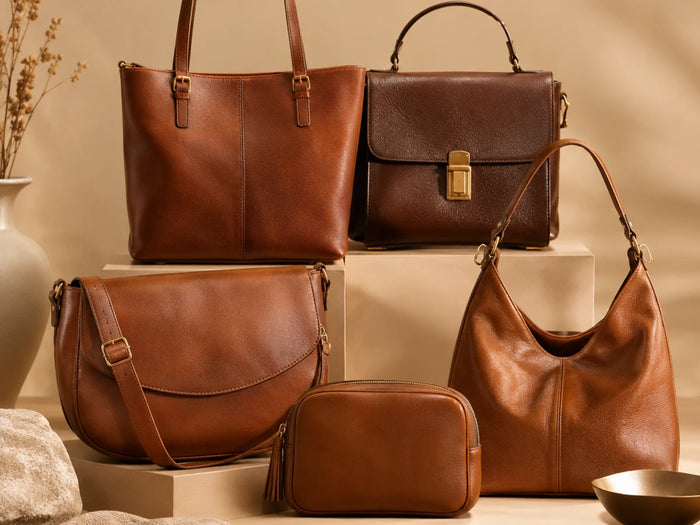
Ya Qalbi specializes in premium handcrafted full-grain and hair-on leather bags, including travel duffles, daily backpacks, hand-tooled vanity cases, and structured totes. Every item is built using traditional Jaipur artisan techniques and solid antique brass hardware.
How do I care for a handmade leather bag to make it last?
Maintain your leather bag by wiping surface dust with a soft dry cloth weekly and applying a natural leather conditioner every few months. Store the bag upright in a breathable cotton dust cover away from direct sunlight, moisture, and heat sources.
Where can I buy authentic handmade leather goods from Jaipur online?
Authentic Jaipur leather goods can be purchased online directly from verified studio platforms such as Ya Qalbi. Look for detailed material descriptions, high-resolution photography of stitch work, and clear brand transparency regarding artisan workshops.
Is buying from Jaipur's local bazaars safer than buying online?
Local bazaars like Johari Bazaar and Bapu Bazaar allow physical product inspection, but material quality varies between vendor stalls. Verified digital studios offering clear material specifications and documented handcraft processes often provide reliable authenticity and consistent quality assurance.
This article was researched using publicly available industry data, historical sources on Jaipur's craft heritage, and India leather sector reports current as of 2026. Figures cited reflect the most recent publicly available data at the time of writing and are subject to change; readers should verify current statistics with original sources before citing them elsewhere.